
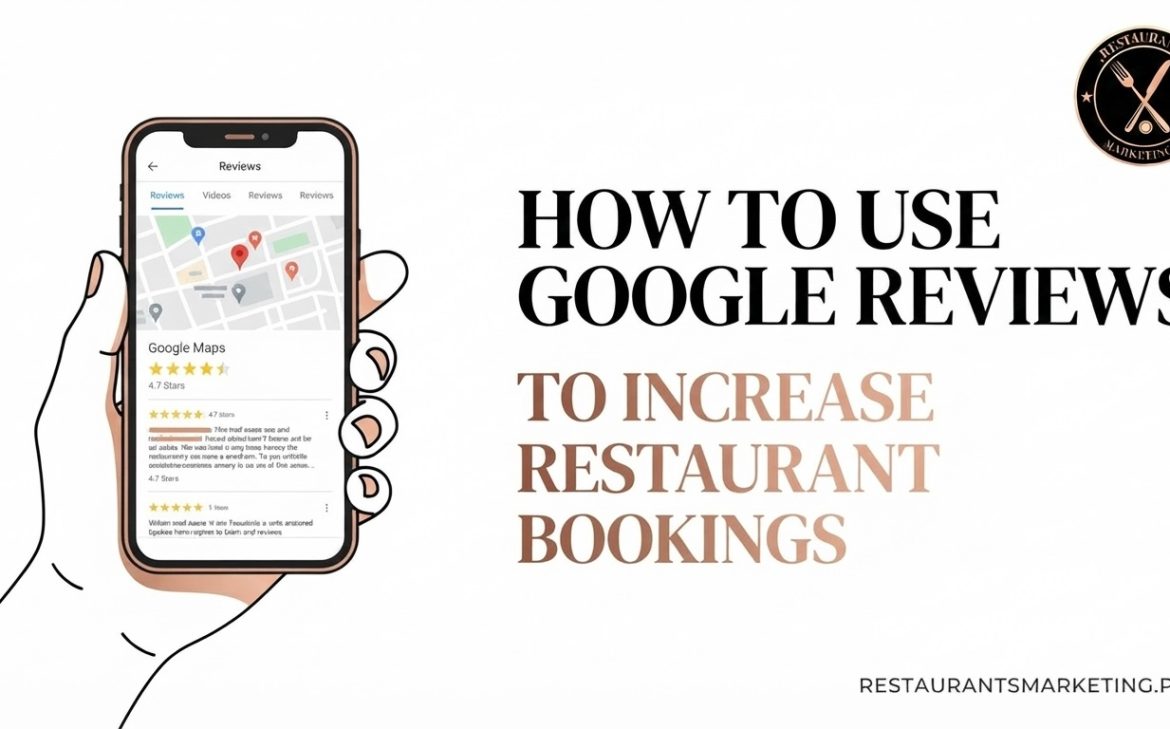
Stepping out for dinner in bustling culinary hubs like MM Alam Road in Lahore, DHA in Karachi, or F-7 in Islamabad used to rely almost entirely on word-of-mouth recommendations from friends, family, or newspaper food critics. Today, when local residents crave a weekend brunch, an aesthetic café workspace, or a cozy family dinner, they pull out their smartphones and search Google Maps before ever looking at storefront signs. When your restaurant listing appears alongside competitors, prospective diners immediately check your star rating and read recent user experiences. If your profile sits with outdated reviews, low scores, or zero recent activity, you are losing high-intent foot traffic to nearby rivals.
Harnessing customer feedback effectively is the most powerful catalyst for building local trust and driving predictable walk-ins. Managing Google reviews for restaurants goes far beyond simply thanking happy guests or responding defensively to complaints; it requires a systematic strategy that transforms positive guest sentiment into a high-converting local marketing asset. When prospective diners see hundreds of recent, glowing reviews detailing your exceptional food and warm hospitality, hesitation vanishes. Building this commanding reputation engine starts with optimizing your overall local search visibility through professional Search Engine Optimization (SEO), ensuring that your restaurant dominates local search rankings.
The Psychological Impact of Online Reviews on Modern Diners
Modern consumers place immense trust in peer reviews, often treating feedback from complete strangers on the internet with the same weight as advice from personal friends. When a hungry user in major Pakistani urban centers evaluates where to spend their evening, a restaurant with a 4.8-star rating and hundreds of descriptive reviews instantly commands authority.
Why Star Ratings Dictate Walk-In Decisions
If a potential guest sees a restaurant with a 3.2-star rating, they scroll past it without a second thought, assuming the food quality or service is unreliable. Furthermore, search engine algorithms prioritize active listings that receive a steady stream of fresh text reviews and photos, pushing poorly rated or inactive profiles down the results page. Ensuring your culinary brand maintains a stellar public image requires aligning your front-of-house hospitality with a distinct visual identity. Establishing a memorable aesthetic and professional presentation through expert Branding helps reinforce the positive experiences that guests naturally write about in their online feedback.
Encouraging Happy Guests to Leave Authentic Feedback
The biggest hurdle restaurant operators face is not that their customers are unhappy, but rather that satisfied diners rarely think to leave a review unprompted. Unhappy customers, conversely, are highly motivated to vent online immediately. To tip the balance, you need an active, frictionless system for encouraging delighted guests to share their experiences.
Training Front-of-House Staff to Request Reviews Naturally
Timing is everything when asking for a review. The ideal moment occurs right at the end of a meal when the guest expresses genuine satisfaction with their dessert or compliments the chef. Train your front-of-house service staff to politely mention that sharing their feedback on Google helps the restaurant immensely. Placing discreet QR codes on table tents, receipt folders, and digital menu checkouts allows guests to scan and leave a review in under thirty seconds. Driving this continuous engagement requires integrating feedback requests into your broader digital strategy, supported by strategic Social Media Marketing (SMM) that reminds online followers of your welcoming dining atmosphere.
Leveraging User-Generated Content and Responding Professionally
Reviews are not one-way broadcast messages; they represent an active public conversation between your restaurant brand and your community. How you handle both praise and criticism heavily influences prospective diners who are reading your profile to decide where to eat.
Converting Digital Clicks Into Physical Reservations
When positive reviews mention specific dishes like wood-fired pizzas, traditional biryani, or artisanal coffee, future readers form an immediate mental craving that drives them to your doors. Making sure your website provides a fast, mobile-optimized ordering and reservation portal ensures that when inspired searchers click over from your Google listing, they can book a table instantly. Partnering with technical experts for custom Web Development ensures your site loads instantly on mobile screens, converting review-readers into confirmed table reservations without friction.
Strategic Comparison of Traditional Word-of-Mouth Versus Google Reviews
Evaluating how digital feedback compares to traditional recommendations helps you understand why active review management is essential for modern restaurant growth.
| Evaluation Metric | Traditional Word-of-Mouth | Google Reviews & Maps | Impact on Restaurant Bookings |
| Reach & Visibility | Limited to immediate personal circles | Visible to thousands of local smartphone users | Drives massive daily discovery |
| Permanence | Fleeting conversation at dinner tables | Permanent digital asset indexed on search engines | Compounds trust over months and years |
| Conversion Power | Moderate based on personal trust | Exceptionally high for high-intent local searchers | Directly increases weekend walk-ins |
For comprehensive guidance on optimizing your Google Business Profile, managing customer feedback, and scaling your restaurant brand profitably across Pakistan, partnering with industry specialists like Restaurants Marketing provides the strategic direction required for sustainable success.
Frequently Asked Questions
Why are Google reviews important for a restaurant business?
Google reviews build instant social proof, improve your local search rankings on maps, and heavily influence prospective diners deciding where to eat.
How can I encourage more of my restaurant guests to leave Google reviews?
Train your staff to ask happy guests at the end of their meal, and place QR codes on table tents and receipts linking directly to your review page.
Should I respond to negative Google reviews about my restaurant?
Yes, respond professionally, acknowledge the guest’s concerns calmly, apologize for any shortcomings, and invite them to discuss the issue offline.
How do Google reviews impact my restaurant’s local SEO rankings?
Profiles with a high volume of positive reviews, frequent updates, and keyword-rich customer feedback rank significantly higher on local map searches.
What should I do if I receive a fake or unfair Google review?
Flag the review as inappropriate through your Google Business Profile dashboard, providing documentation or context if it violates Google’s content policies.
How quickly should my restaurant respond to new customer reviews?
Aim to respond to all new reviews both positive and negative within twenty-four hours to show potential diners that you actively care about guest satisfaction.
Can customer reviews help me improve my restaurant’s food and service?
Yes, analyzing recurring themes in review feedback provides invaluable insights into operational bottlenecks, recipe adjustments, and staff training needs.
How often should I audit my restaurant’s Google Business Profile?
You should review your business profile monthly to ensure operating hours are accurate, new photos are uploaded, and all recent reviews are addressed.
Leave feedback about this